resources
UTFAV routinely creates products that contain information related to domestic violence, sexual assault, dating violence, stalking and/or sex trafficking. UTFAV also compiles and shares information related to statistics, reports and other information from other entities, including the Department of Justice, National Institute of Justice, National Indigenous Women’s Resource Center and more.

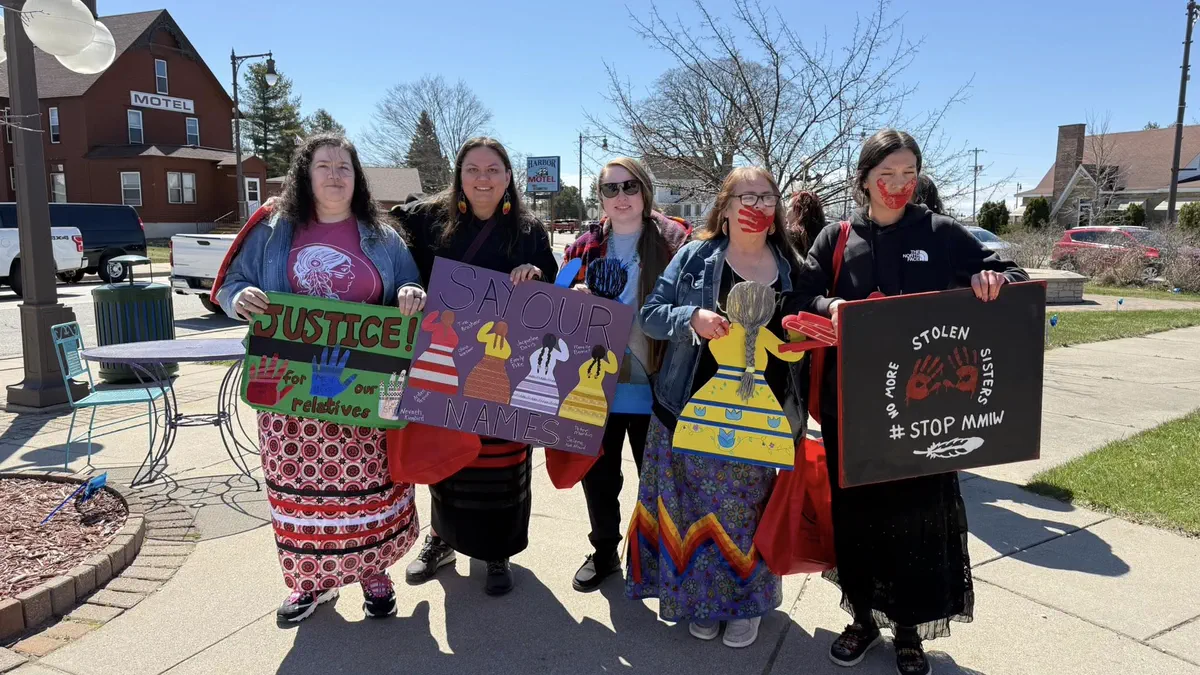

Statistics from the National Institute of Justice Research Report: Violence Against American Indian and Alaska Native Women and Men.
- 84.3 percent of Native women have experienced violence in their lifetime.
- 56 percent of Native women have experienced some form of sexual violence.
- 55 percent of Native women have been raped or have experienced physical violence and/or stalking by an intimate partner in a lifetime.
The report can be located at: https://nij.gov/journals/277/Pages/violence-against-american-indians-alaska-natives.aspx or you can download it here.
Native women suffer the HIGHEST rate of sexual assault in the U.S.
Read more from: Violence Against American Indian and Alaska Native Women and the Criminal Justice Response: What is Known
Rate of PTSD in Native adults is 4.4x the national average.
Read more from: Futures Without Violence
Native children experience PTSD at same rates as veterans returning from Afghanistan and Iraq (3x the rate of the general population).
Read more from: A Roadmap For Making Native America Safer Report To The President And Congress Of The United States

Cultural Videos
With the support from Indigenous advocates, wisdom keepers, and cultural leaders from across Tribal communities throughout Michigan, Uniting Three Fires Against Violence created a video series that is intended for individuals and communities across Michigan that may work with our Indigenous/Tribal/Native survivors who have experienced gender based violence. The videos are meant to be introductory and foundational to inspiring knowledge on how historical trauma continues to impact responses to violence against women living in and outside of their Tribal communities. The videos collectively share how culture and history intersects with providing culturally honoring services, which is often different from Western/historically funded approaches to safety, healing and justice.
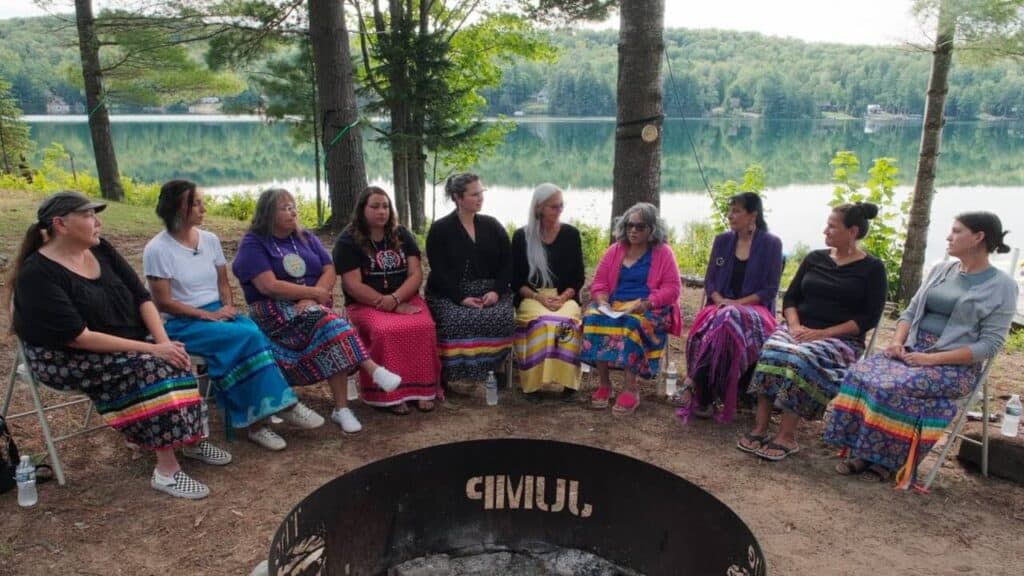
This video provides a detailed look at the impact of historical trauma through multiple strategical tactics applied by the United States government across Indian Country on the lives of individual women, Tribes, and communities. It offers in real time examples of resiliency; in the words of one of the circle participants “Indigenous Women always fighting for what is needed in the community”.
This video looks across generations at how and when culture may re-enter the lives of Indigenous people creating pathways to home, safety, change, and identity. It is an educational tool that challenges concepts of western practices as the “best” or only practical path to healing. The circle helps to reveal the power of wisdom, resources, culturally honoring, cross generational trauma informed supports that exist within our Tribal programs and communities. This video/circle can inspire growth in knowledge and ultimately lead to change.
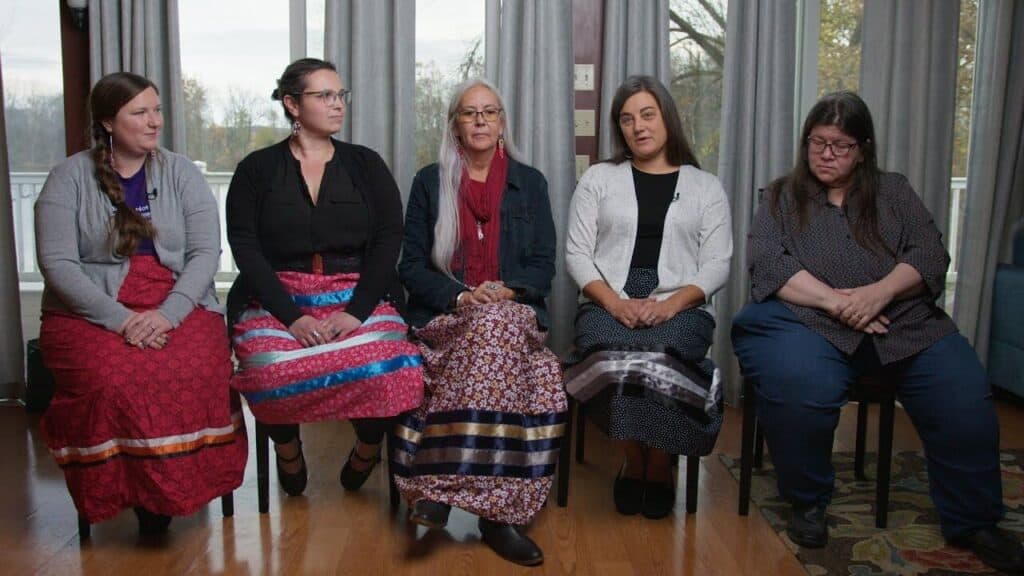
This video hosts the Pokagon Band of Potawatomi Victim Services team sharing the difference and impact of culturally honoring versus standardized historically funded services in supporting victims in Tribal communities. The Tribal victim services program takes a seven-generation approach acknowledging past, present, and future generations.
The role and impact of historical trauma, blood memories and cultural/traditional responses are key components to culturally honoring approaches.
This video is key in clarifying the differences between western systems social services approaches and Tribal culturally honoring practices where families and survivors move from the role of systems to families and communities.
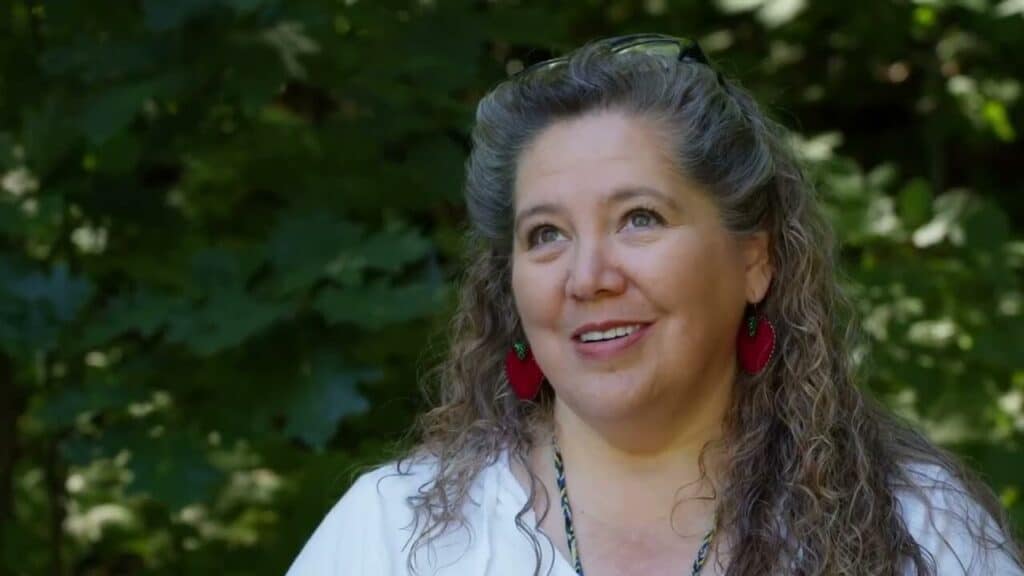
Indigenous women from unrelated Tribal programs, coalitions, and communties engage in dialogue addressing culturally honoring services. They engage in conversation related to identifying, strategizing, and overcoming barriers to advocacy, and ensuring culturally honoring responses are victim centered and trauma informed.
The role and importance of the sacred medicines and food in providing culturally honoring services is discussed.
Visions and hopes for future generations conclude the conversations within this video.
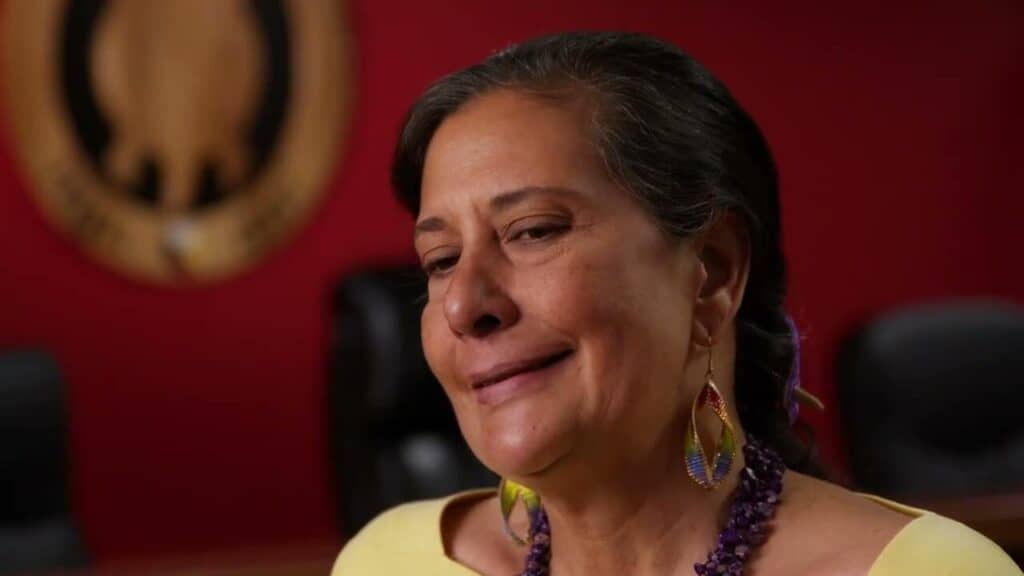
Trauma informed, culturally honoring practices focused on healing are foundational in restorative justice traditions and approaches. This video provides a clear comparison and distinction between Tribal law/courts and Western judicial systems.
Restorative justice is dedicated to community wholeness and healing, return to a place of traditional teachings, respect, love, kindness, honor: embracing and enacting the Seven Grandfather teachings.
Traditional Tribal justice response builds a new table where elders, veterans, leaders, Tribal citizens of all ages join together in honor and respect to build and sustain community.
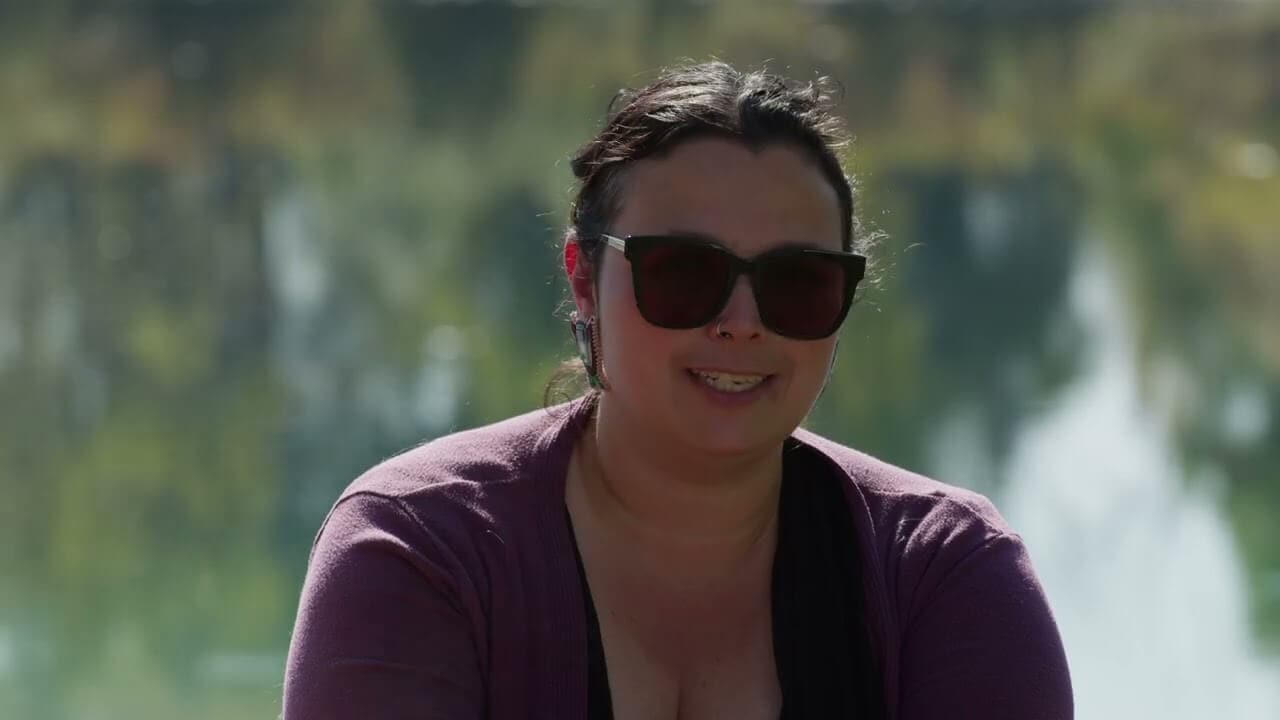
This video is dedicated to knowledge of the identity of the four scared medicines, how, when, and why they are used in smudging/ceremony. Water as a scared element/medicine and its connectedness to women in the circle of life is a topic of discussion.
The information/education presented in this video was created to broaden understanding of cultural practices and terminology as it relates to sacred medicines and ceremonies specific to Michigan’s Three Fires Confederacy Tribal Nations.
This information is intended to be supportive/helpful in digesting language and information presented throughout the UTFAV cultural video series. However, it should be noted that the four sacred medicines extent to Tribal Nations beyond Michigan but vary from region to region.
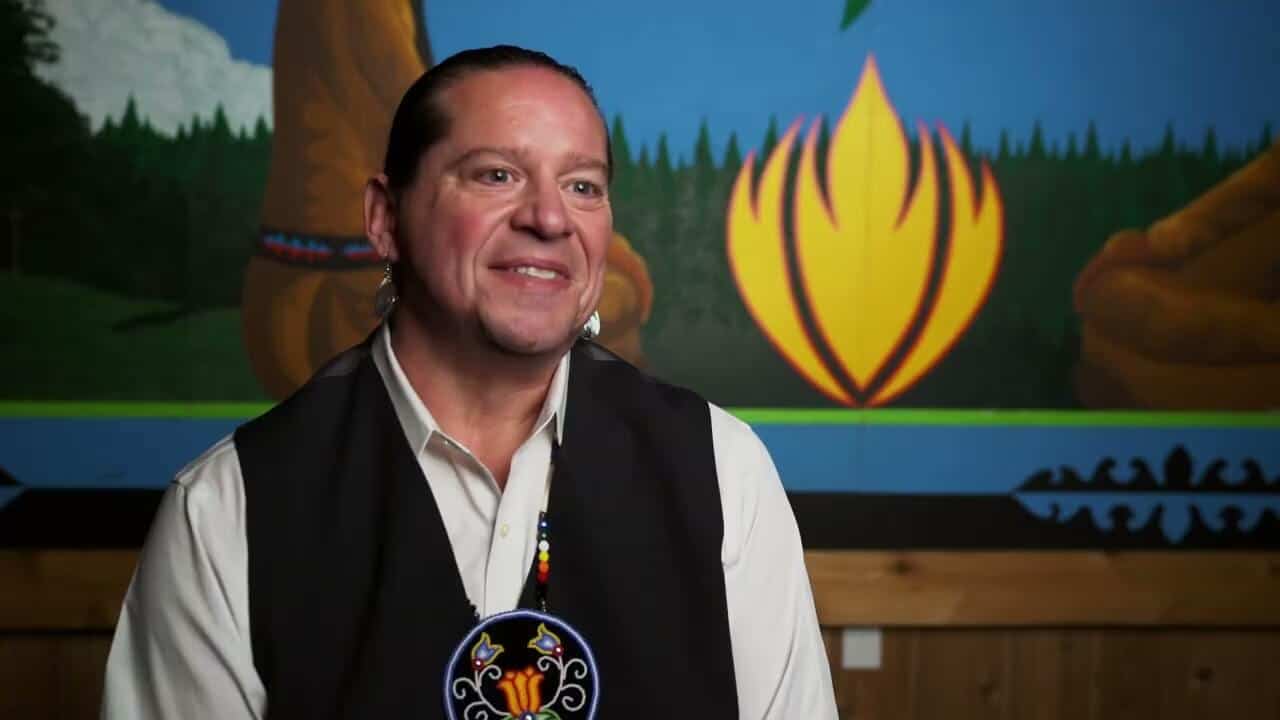
Food in Tribal communities brings everyone together. The United States Government in many instances removed Tribal Nations from their ancestral lands to areas where they lost the ability to sustain their ancestral ability to plant, grow, hunt, fish. The places where Tribes were relocated often took away resources to support growing, gathering, and hunting knowledge they had sustained for thousands of years. This action was an assault on the physical and spiritual health of indigenous people/nations. This action extended beyond food to spiritual practices, ceremonies, communities coming together all interconnected to traditional food gathering and sharing.
Food sovereignty at Nottawaseppi Huron Band of Potawatomi is demonstrated in this video as a tool/option for returning to sustainable Tribal culturally honoring community practices promoting individual and community health and wellness.
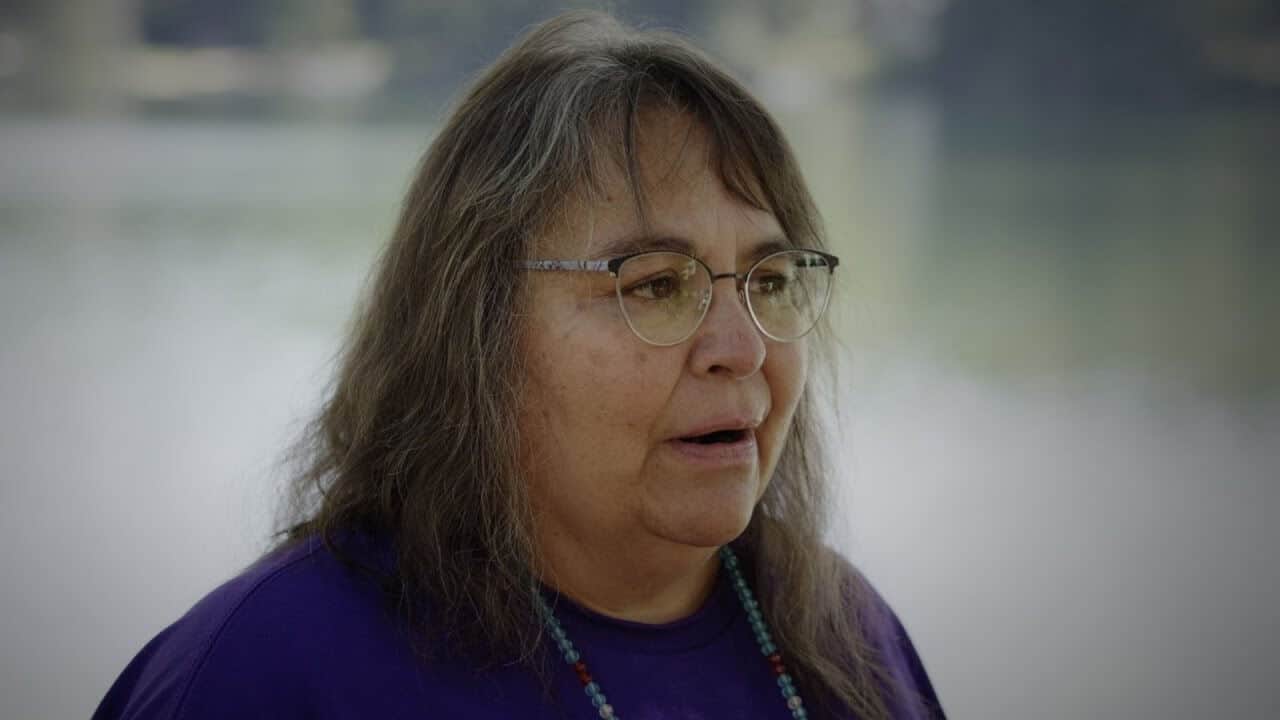
Aunties are teachers and holders of circles in Tribal communities. Jackie Minton shares in this video how important bringing youth and families into the circle through culture, singing, dancing being part of the community has been on her life journey. Cultural identity happens at different junctures across lifespans.
Being in the circle can awaken and support indigenous identity and belonging and support healing from historical and recent trauma.
This video contains an explanation, history, role and purpose of the Lac Vieux Dessert Tribal Roundhouse Ceremonial building. Tribal Leader and former Tribal Victim Advocate Melissa McGeshick shares how traditional and cultural practices offer teachings and pathways to cultural, generational, and community healing.
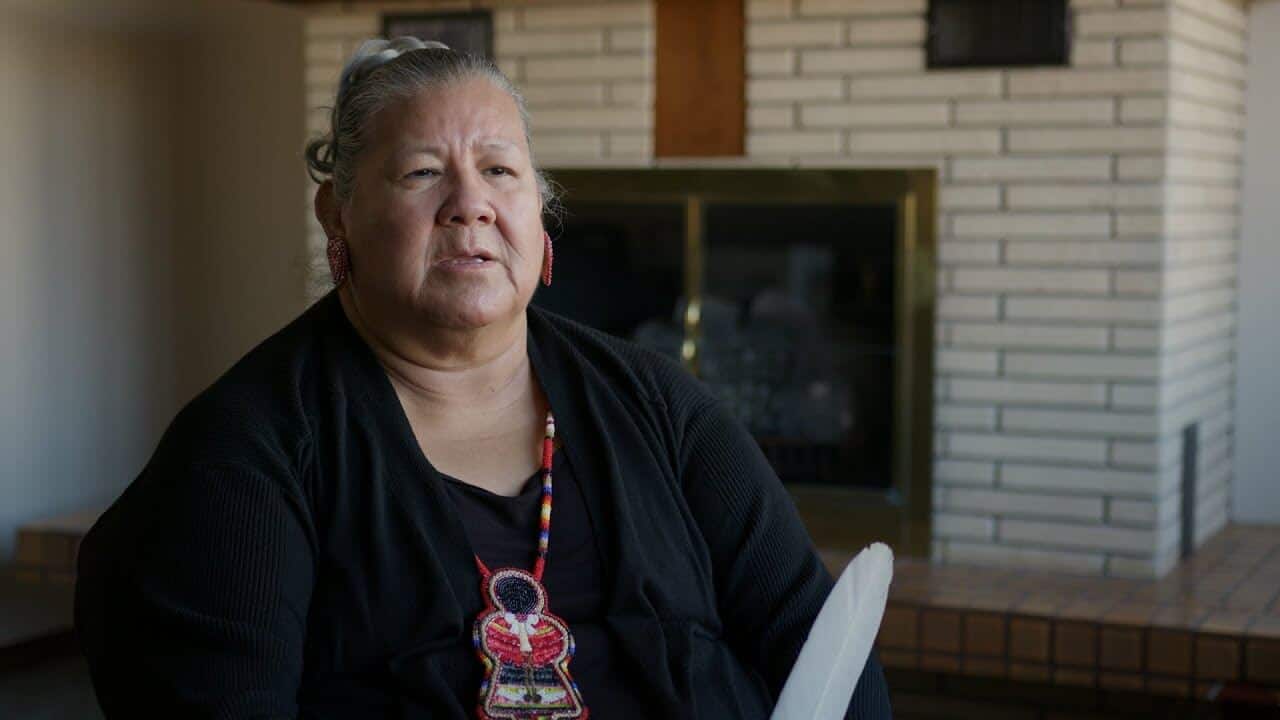
Hannahville Indian Community Elder Vicki Dowd shares memories and cultural traditions and teachings she has learned and shared across her lifetime. She shares her visions and hopes for future generations.
Community Trauma Informed Policing Video Series
This video honors the voice, stories and journeys of victims Survivors in their pursuit of culturally honoring justice and responses. Trauma informed should and can be more than terminology tossed into the air. I can and should reflect humanity, seeing victims/survivors as whole human beings, honoring their stories, walking beside versus in front or behind pushing in a direction or a decision that does not reflect who they or their culture are not.
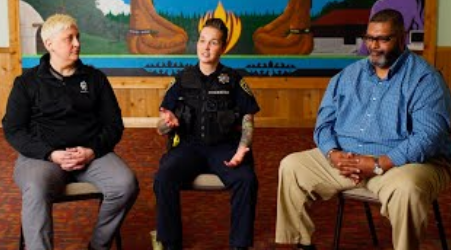
Trauma informed, culturally honoring practices focused on healing are foundational in implementing trauma informed responses and restorative justice traditions and approaches. This video provides clear examples and comparison of how trauma informed, community policing practices offer positive, lasing outcomes. Law Enforcement Officer voices present real examples of how trauma informed policing can be implemented into all law enforcement polices, practices, actions and cultures.
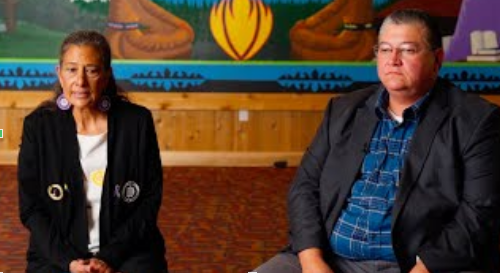
The Community Policing video series helps views/learners View policing/law enforcement/legal processes through Community lens versus western criminal justice response Culturally, Tribal communities have viewed responses through lens focused on community healing. Tribal cultural teachings are interconnected encouraging advocacy, law enforcement, courts, tribal systems, elders and community members, all working together in culturally honoring ways toward restorative justice, community wholeness and healing. This video series is dedicated to community wholeness and healing, return to a place of traditional teachings, respect, love, kindness, honor: embracing and enacting the Seven Grandfather teachings.

This video is key in clarifying the differences between western criminal justice response systems and what is historically referred to as peacemaking across Tribal Nations in responding to differences, bringing community wholeness, peace focused solutions. Peacemaking is a term being coopted to western practices
This project was supported by the Training for Crime Victim Service Professionals awards E20221630-001 and E20233026-00 awarded by the Division of Victim Services, Michigan Department of Health and Human Services. The opinions, findings, and conclusions or recommendations expressed in this publication/program exhibition are those of the author(s) and do not necessarily reflect the view of the US Department of Justice or the Michigan Department of Health and Human services
Personal Protection Order Project with Michigan Indian Legal Services
Uniting Three Fires Against Violence worked with Michigan Indian Legal Services (MILS) to gather information related to victim services for individuals seeking personal protection orders from the Tribal courts located within Michigan. That information can be found in “Know Your Rights” brochures that contain specific information for each Tribal community. In addition, MILS has made available fillable Personal Protection Order forms for most of the Tribal communities. You can view the brochures and forms HERE.

Funding Opportunities
As funding opportunities are announced, the file will be updated to include new funding opportunities, and remove expired opportunities. New funding opportunities will beidentified using “****”
Updated October 2nd, 2026.
- MDHHS: Grant Funding Opportunity (GFO) RSSC-2027-Recovery Support Services Competitive – GFO Document. Proposal responses must be submitted electronically using the EGrAMS system EGrAMS : Home.
- Application submissions are due by 10/09/2026 at 3:00pm ET. This is a hard deadline, and no late proposals will be accepted.
- TRBVS August 2026 Updates Julie Giddings.pptx
- MDHHS EGrAMS Helpdesk
OVW opportunities:
- OVW Funding Opportunities
- Grant Application Companion Guide
- FY 2026 Electronic Service Protection Order Court Pilot
- Complete SF-424 and submit it in Grants.gov: October 6, 2026, by 11:59 pm ET
- Submit full application in JustGrants: October 8, 2026, by 4:59 pm ET
OVC opportunities:
- Current Funding Opportunities | Office for Victims of Crime
- How to Apply for Funding | Office for Victims of Crime
- OVC FY 2026 Enhanced Collaborative Model (ECM) Task Force to Combat Human Trafficking
- Closing Date: October 20, 2026. Grants.gov Deadline: October 14, 2026
- Application JustGrants Deadline: October 20, 2026
- OVC FY 2026 Improving Outcomes for Child and Youth Victims of Human Trafficking
- Closing Date: October 21st, 2026. Grants.gov Deadline: October 14th, 2026, 11:59 pm ET.
- Application JustGrants Deadline: October 21st, 8:59pm ET.
OJP – Tribal Justice and Safety Opportunities
- U.S. Department of Justice FY26 Coordinated Tribal Assistance Solicitation Notice of Funding Opportunity
- Deadline submit SF-424 in Grants.gov: October 15, 2026, by 11:59pm Deadline to submit application in JustGrants: October 22, 2026, by 8:59pm ET.
- Fiscal Year (FY) 2026 Coordinated Tribal Assistance Solicitation (CTAS) Notice of Funding Opportunity (NOFO) and FAQ for CTAS FY 2026:
Other
- Family Violence Prevention and Services Grants to Tribes (OFVPS Standing NOFO, Tribes 2024)
- Grants & Contracts | The Administration for Children and Families