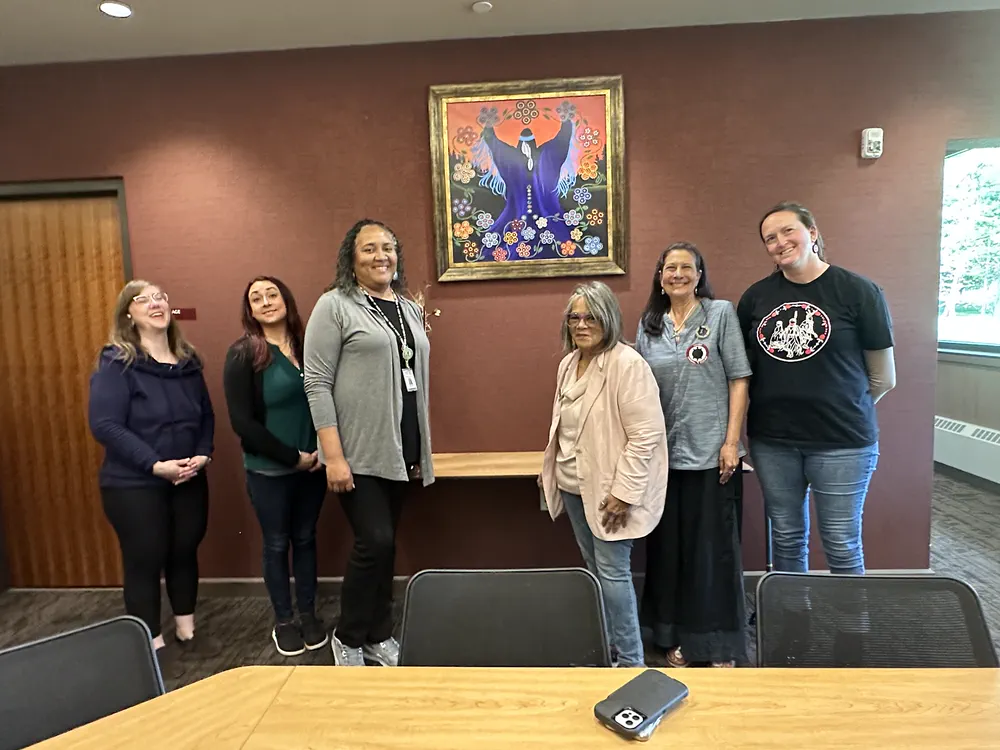
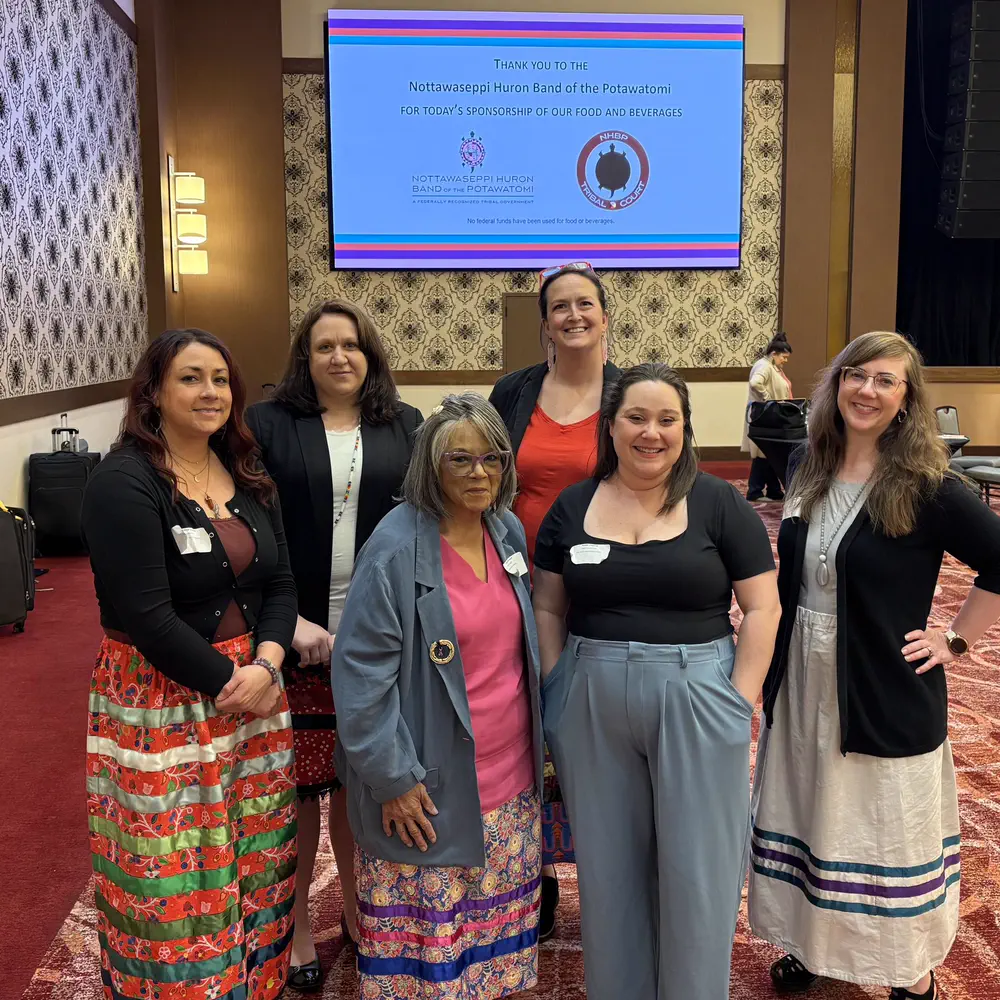
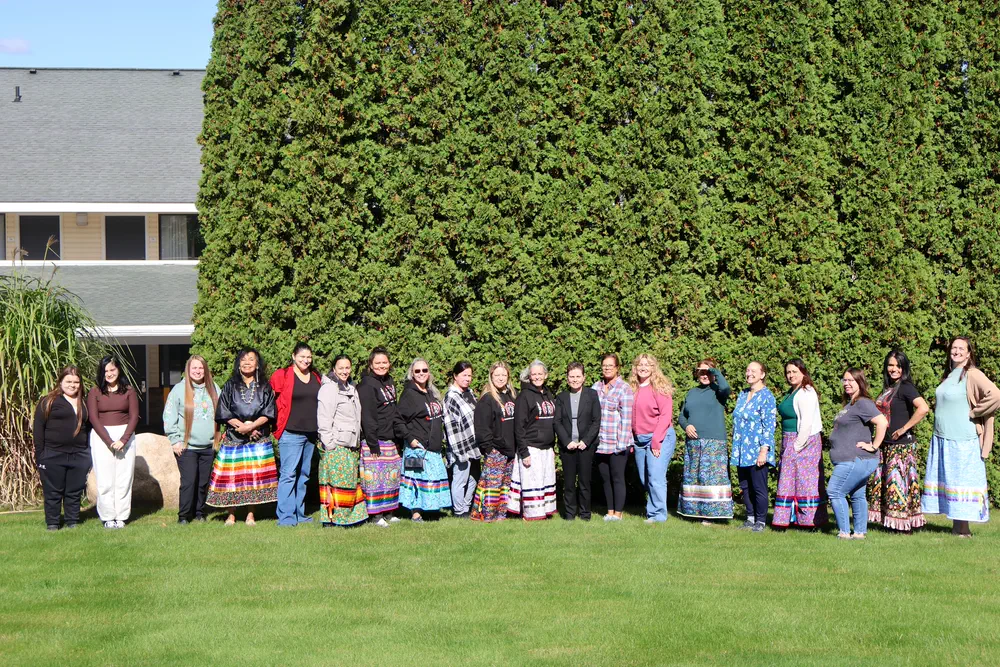
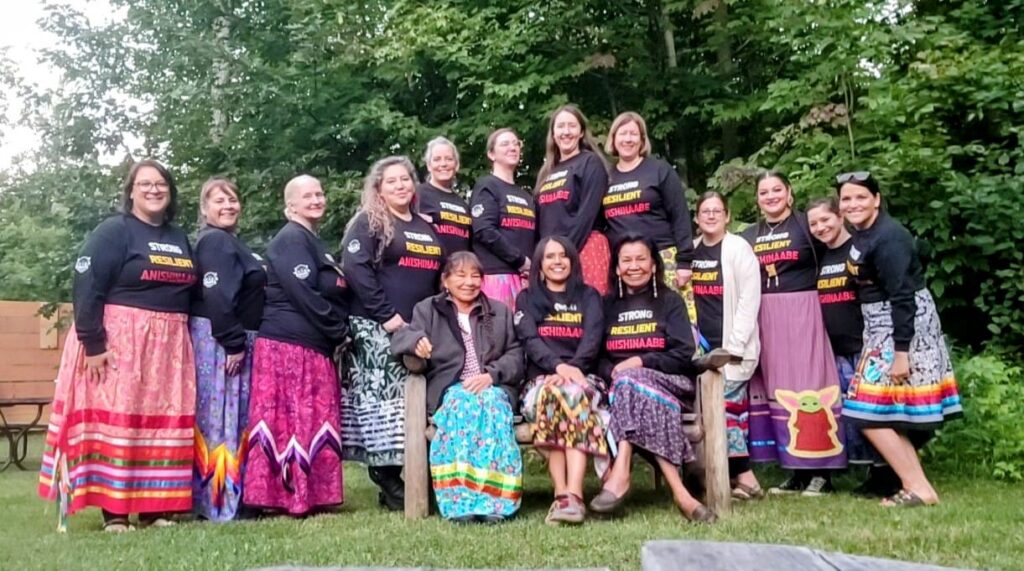
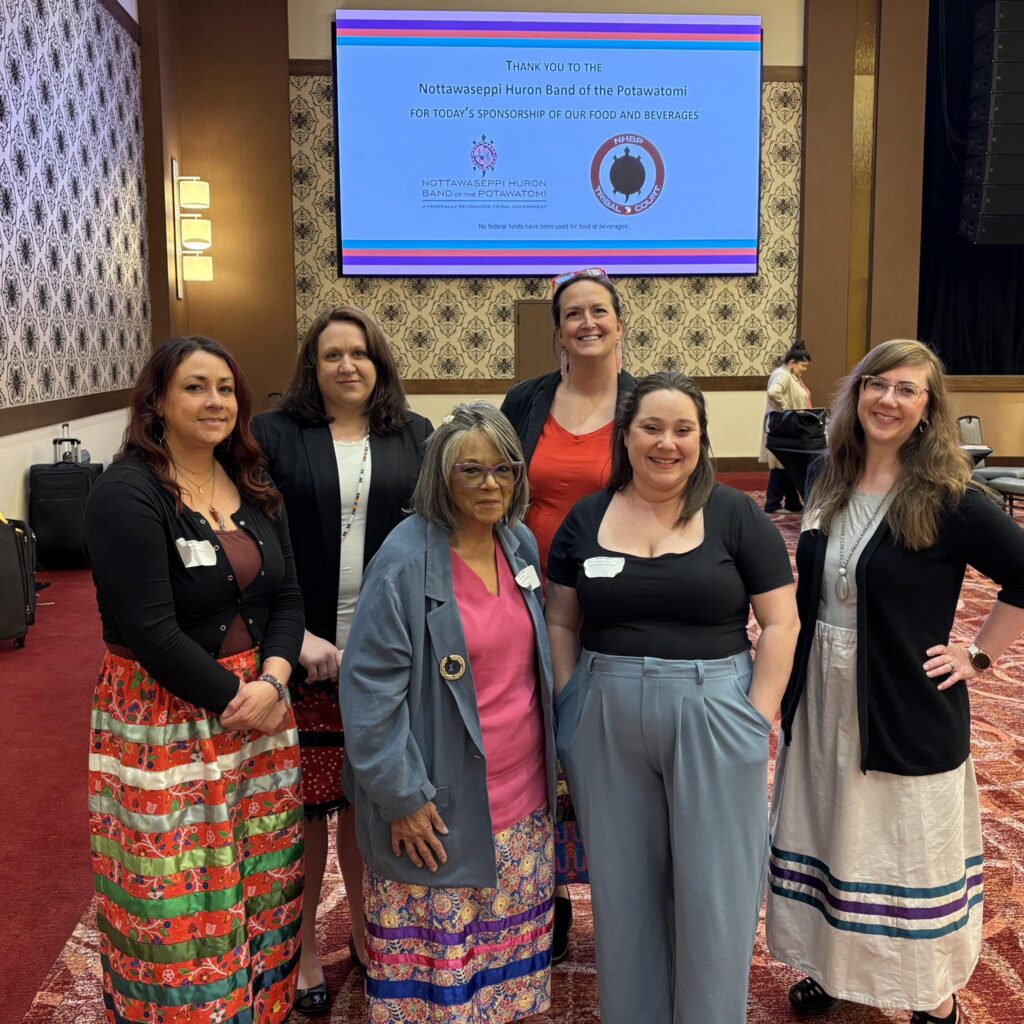
Uniting Three Fires Against Violence is Michigan’s Tribal Domestic Violence and Sexual Assault Coalition. More than that, we are a small group of Native women working towards ensuring that all of our relatives have access to justice and healing. We walk in our traditional ways and raise our voices for those that have been silenced.
About UTFAV
What We Do
Our coalition provides customized training and technical assistance to the 12 federally-recognized Tribal Nations in Michigan. We offer guidance and support in creating and amending policy and provide numerous culturally-honoring resources to tribal victim services agencies. We work collaboratively with state agencies to strengthen the response to domestic violence, sexual assault, stalking, MMIR, and the trafficking of Native people.
Mission
Our mission is to support the Tribal Nations in Michigan in promoting the social change necessary to address the disproportionate rates of violence impacting Native communities.
Vision
We envision a world in which the inherent sovereignty of Native nations and Native people is honored in all systems. We work towards a future in which no relative is a victim of violence or exploitation.
Our Values
How We Walk Together Toward Change
We are strongest when we unite and walk together. By building relationships among Tribal Nations, advocates, survivors, and partners, we strengthen our collective voice to advance systems change, honor Indigenous ways of knowing, and support culturally grounded responses that promote safety, healing, and justice for all our relatives.
Uplift
Honor Sovereignty • Elevate Indigenous Voices
Strengthen
Tribal Communities • Cultural Responses • Relationships
Connect
Learn and Walk Together • Shared Purpose
Nurture
All Our Relations • Belonging • Shared Responsibility
Share
Knowledge • Collective Wisdom • Understanding
Advocate
Collective Change • Forward Vision • Inspire
Restore
Balance • Harmony • Healing Together
Grow
Future Generations • Leadership • Resilience
Our History
Uniting Three Fires Tribal Coalition
The Uniting Three Fires Tribal Coalition was formed to bring together the Anishinaabe nations — the Ojibwe, Odawa/Otawa, and Potawatomi — to collectively address and end violence against Native women and families through advocacy, education, and the restoration of traditional values.
Rooted in the alliance of the Ojibwe, Odawa, and Potawatomi nations, the Uniting Three Fires Tribal Coalition was established to strengthen unity, promote healing, and advance safety and justice for Native women and families.
2009
Uniting Three Fires Against Violence was established as a 501c(3). The first Tribal Coalition in Michigan dedicated to domestic violence and sexual violence.
Awarded the OVW FY 2009 Tribal Domestic Violence and Sexual Assault Coalitions Program included 2 staff positions (Executive Director and Training Coordinator).
The Coalition grew as challenges were encountered along the way. The journey of learning how a Tribal Coalition should be different than State Coalitions. The growth and expansion of Uniting Three Fires Against have been lead with Indigenous voices and experiences rooted in cultural traditions, values and teachings.
2014
The first Tribal Leadership Summit was held in the fall of 2014, hosted at the Saginaw Chippewa Indian Tribe: Soaring Eagle Casino Resort in Mt. Pleasant, MI. This brought together Tribal Leaders from across Michigan, Tribal Advocates, and other tribal staff as well as local, federal, tribal and state systems to address issues in tribal communities.
2020
UTFAV receives the Victims of Crime Act Funds for Training and Technical Assistance to victim service providers, adding another staff.
2024
Subgrantee award with Michigan Department of Health and Human Services Division of Victim Services OVC Improving Outcomes- focusing on Child and Youth Trafficking in Michigan tribal communities, adding another staff.
2025
Funds awarded from the Michigan State Senate Budget alongside the Michigan Coalition to End Domestic and Sexual Violence.
MMIR Partnership
Uniting Three Fires Tribal Coalition
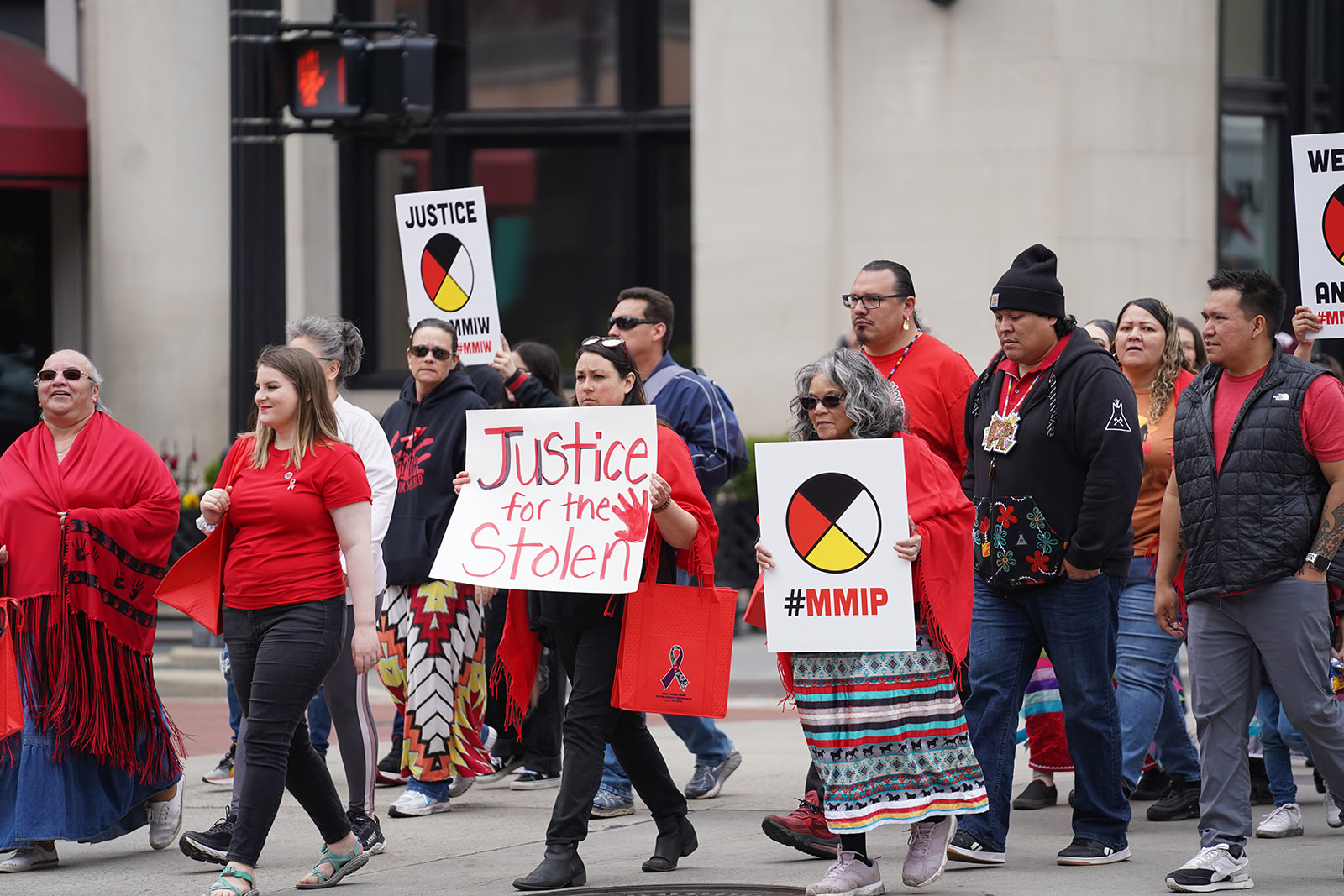
Honoring our missing and murdered relatives, we stand with their families through remembrance, healing, and collective strength — ensuring advocacy and awareness are never forgotten and their stories guiding our path forward.
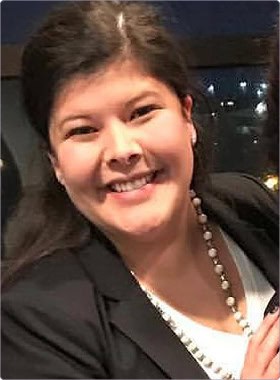
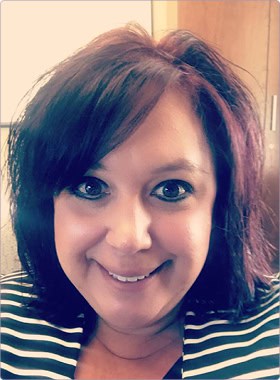
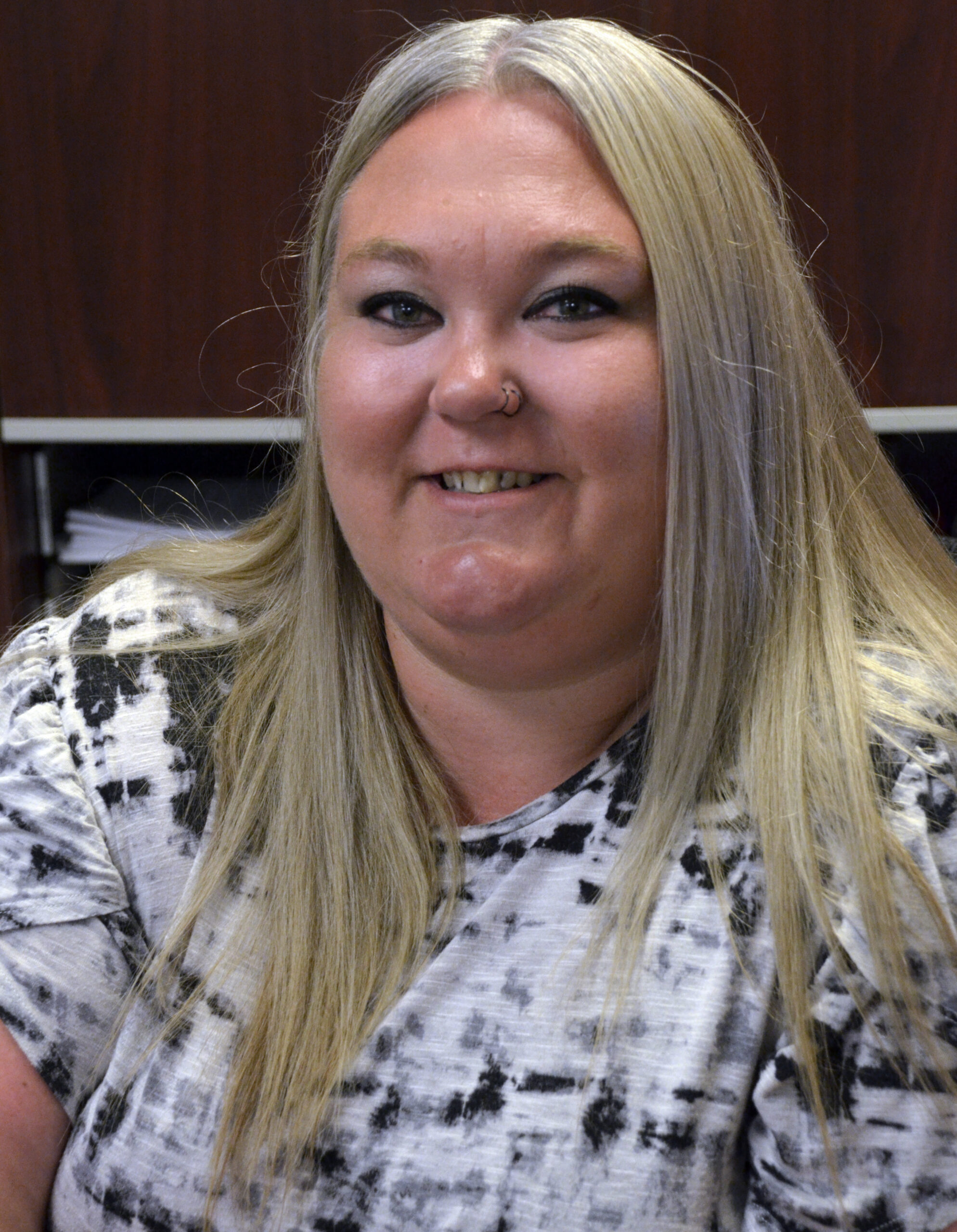
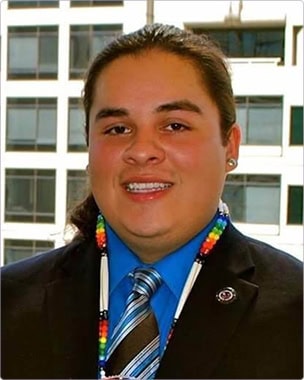
Our team is made up of strong, Indigenous individuals who work together to empower and support advocates, uplift Michigan tribal survivor services, communities, and strengthen the culturally-honoring response
Stacey Ettawageshik
Advocacy and Policy Director
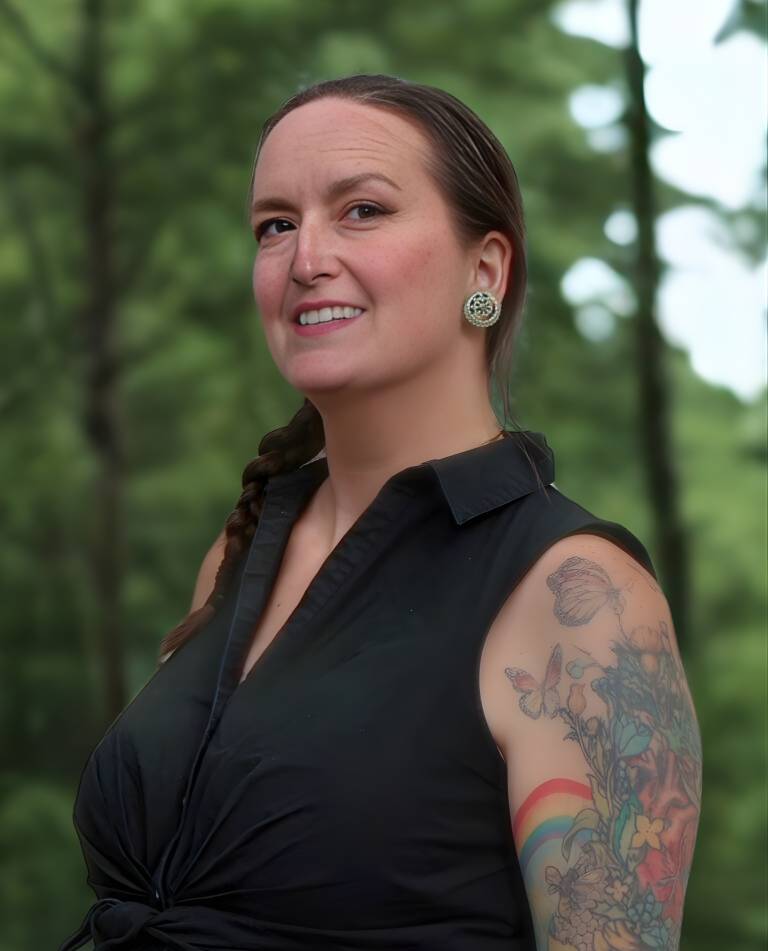
Stacey Ettawageshik is a citizen of the Little Traverse Bay Bands of Odawa Indians. For the last 11 years she has played an integral part in developing, implementing and maintaining Survivor Outreach Services (SOS) within the LTBB Department of Human Services. During this time, she assisted in securing funding and expanding services to serve indigenous survivors within the LTBB community and beyond. It is her life’s work and passion to empower indigenous survivors and strive to end domestic/sexual violence and the MMIR (Missing and Murdered Indigenous Relatives) crisis in Indian Country. Stacey received her Master of Social Work from Michigan State University in May 2018. She has also been on the Uniting Three Fires Against Violence Board of Directors since 2013; Secretary 2013-2015, President 2015-2022 and Vice President 2022-2024.
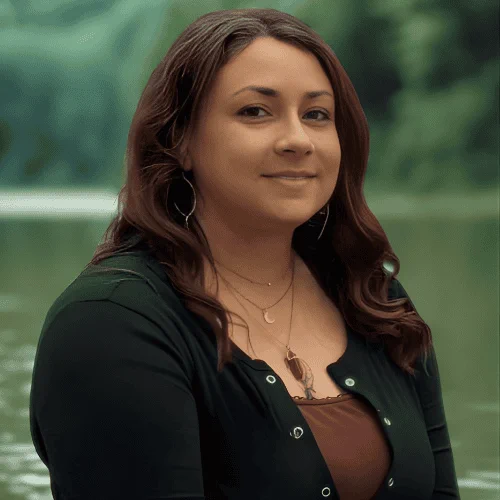
Vanessa Owaski-Patzwald is an enrolled member of the Sault Ste. Marie Tribe of Chippewa Indians. Vanessa began as the Training Coordinator at Uniting Three Fires Against Violence (UTFAV) in January 2018. In October 2024, she took on the position of Operations Manager. She previously worked for 12 years for her tribe, the Sault Ste. Marie Tribe of Chippewa Indians, as a Court Reporter and then as Legal Secretary for the Advocacy Resource Center’s Legal Aid program. Vanessa is a graduate of Lake Superior State University with an associate degree in office administration.
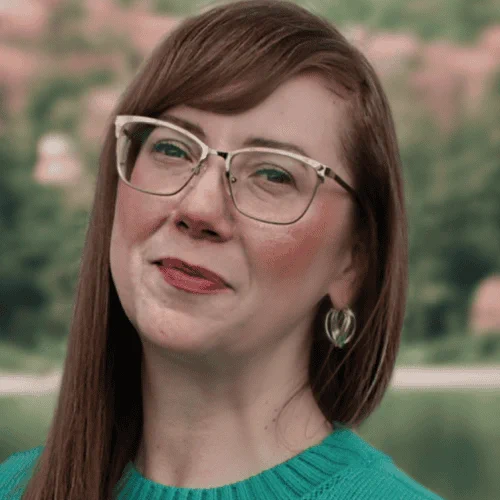
Samantha Brown is Ojibwe and a member of the Crane clan. She is enrolled in the Sault Ste Marie Tribe of Chippewa. Samantha received her Master of Arts in Education from the University of Alabama and her Bachelor of Arts in Liberal Arts from Smith College. She is currently enrolled in the Pane Anishinaabemowin Language Immersion Program at Bay Mills Community College. Samantha is a certified teacher in the State of Michigan. Owing to her passion for sharing knowledge and advocacy, Samantha has held numerous roles in the field of education. Prior to her position at UTFAV, Samantha worked as an elementary teacher, a youth prevention coordinator, and as an education assistant in the Sault Tribe Youth Education and Activities Program. Samantha’s personal and professional interests include language revitalization, a return to traditional foodways, and justice for survivors, families, and communities that have been harmed by race and gender-based violence.
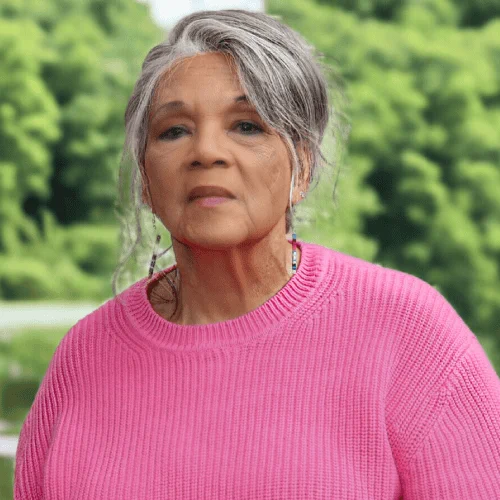
Sandra Pilgrim-Lewis is of Oglala Lakota Sioux heritage. She currently serves as the Uniting Three Fires Against Violence, DVS Director. She is a lifetime social change activist and advocate who has remained dedicated to seeking opportunities for creating chances for opening doors and diminishing access and social barriers. She holds a post graduate degree in education. Sandra worked as an Executive Director of dual organizations in Michigan and Alaska for nearly two decades. She also served on the Michigan Coalition to Ending Domestic and Sexual Violence, Praxis International and Sunrise Center Boards of Directors and held an active role in the Alaska Native Sisterhood. Additionally, Sandra has remained active in supporting tribal programs throughout her lifetime. She was one of the initial supporting members of Uniting Three Fires Against Violence Tribal Coalition in Michigan. Sandra, humbly served as a Project Manager for the Michigan Division of Victim Services, focusing on Tribal and other culturally specific community funding and service gaps. Sandra remains a constant voice, and advocate for expanding access to resources for our indigenous relatives, programs and communities with a concentration on violence against women and children issues. Sandra’s work has been recognized and honored by her being a recipient of awards including Tillie BLACK BEAR MEMORIAL AWARD, VISIONARY VOICE AWARD, APPLE BLOSSOM AWARD, SAGE AWARD AND MICHIGAN REHABILITATION SERVICES INDIVIDUAL OF THE YEAR AWARD (TWICE). She has provided technical assistance, change impact and prevention education on a national, and international scale.
Join us in making a difference — explore our resources, partnerships, cultural teachings and initiatives that honor culture, support tribal advocates, and strengthen response to domestic violence, sexual assault, dating violence, stalking, human trafficking and Missing and Murdered Indigenous Relatives (MMIR).
Our Board of Directors is comprised of Indigenous leaders and advocates who uphold our mission and vision, guiding our work with wisdom, cultural integrity, and a shared commitment to the wellbeing of Native communities. Made up of Indigenous individuals dedicated to our mission and vision, our Board of Directors provides guidance, leadership, and cultural grounding to ensure our work reflects the values of the communities we serve.
Elise McGowan-Cuellar
President
Elise is a member of the Little Traverse Bay Bands of Odawa. She is the Executive In-House Counsel for the Little River Band of Ottawa Indians and Appellate Justice for the Little Traverse Bay Bands of Odawa Indians.
Shanaviah Canales
Secretary
Shanaviah is an enrolled member of the Eastern Band of Cherokee. She serves as the Native Boarding School Project Manager at the Michigan Department of the Attorney General. Prior to this, she was the Victim Services Program Manager at the Little River Band of Ottawa.
Lori Jump
Vice President
Lori is a member of the Sault Ste Marie Tribe of Chippewa. She currently serves as the Chief Executive Officer at StrongHearts Native Helpline.
Collin Church
Board Member
Collin is a member of the Pokagon Band of Potawatomi. He is currently working as a Youth Specialist in Allegan County.
Dyan Engel
Board Member
Dyan is a member of Hannahville Indian Community. She is the Victim Services Director at Hannahville Indian Community.
Jessica McKerchie
Board Member
Jessica is the program director for the Sault Ste. Marie Tribe of Chippewa Indians and at the Anishnaabek Community and Family Services Advocacy Resource Center.
Frequently Asked Questions
What types of support and services does the Uniting Three Fires Tribal Coalition provide?
We offer training, technical assistance, and advocacy to strengthen Tribal and community-based responses to domestic and sexual violence, human trafficking, and MMIR-related issues.
How can Tribal advocates or service providers request training or technical assistance?
You can submit a training or TA request through our online form or by contacting our team directly. We tailor sessions to meet the specific needs of Tribal programs and communities.
Do you provide direct services to victims or survivors?
We do not provide direct advocacy services; however, we connect survivors and their families with trusted Tribal and local programs that offer immediate support and safety planning.
Can non-Tribal organizations partner with the Coalition or participate in trainings?
Yes. We welcome collaboration with all agencies committed to culturally respectful and trauma-informed responses for Native survivors and families.
How can community members get involved or support your work?
Community members can attend our events, request educational presentations, share resources, or make donations to support programs that empower survivors and promote healing.