tribal-coalition.png

mmir

tribal-coalition.png

The International Crisis of Missing and Murdered Indigenous Relatives

The fight to bring awareness to the crisis of Missing and Murdered Indigenous Relatives begin in Canada in the 1990’s. Since then, victims’ families and other activists across the continent have worked for almost 40 years in the pursuit of justice, awareness, and systems change.

Despite this, Indigenous people still face overwhelmingly disproportionate rates of murder, domestic and sexual violence, and lack of accurate representation in the media and scientific data.

floral_design 3
tribal-communities.png

Raising Our Voices

tribal-communities.png

Understanding Acronyms

As the fight for justice, awareness, and representation has continued, many groups and agencies have adopted varying forms of the original movement title of MMIW (Missing and Murdered Indigenous Women). Related acronyms may include MMIWG2S (Missing and Murdered Indigenous Women, Girls, and Two Spirit). MMIP (Missing and Murdered Indigenous People, and MMIR (Missing and Murdered Indigenous Relatives).

tribal-communities.png MMIR Video tribal-communities.png

Voices of Wisdom Talking Circle

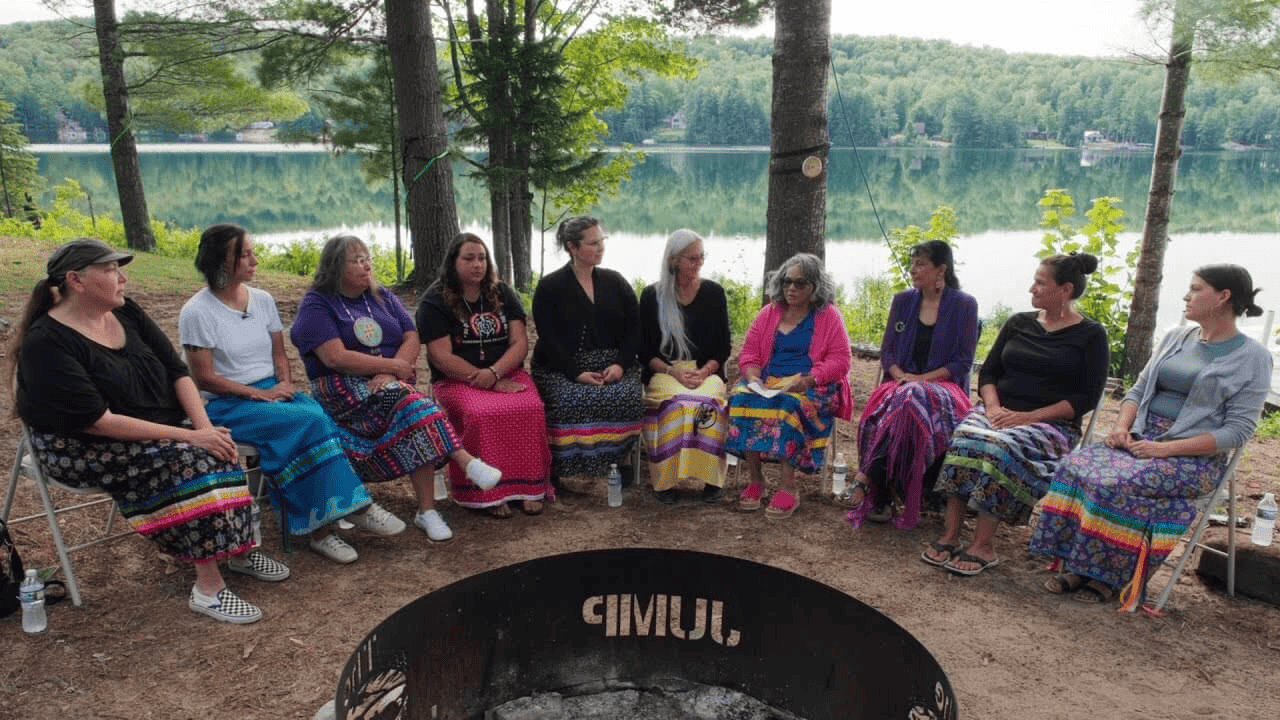
This video provides a detailed look at the impact of historical trauma through multiple strategic tactics applied by the United States government across Indian Country on the lives of individual women, Tribes, and communities. It offers in real time examples of resiliency; in the words of one of the circle participants “Indigenous Women always fighting for what is needed in the community”.

 “The Indigenous women in the circle are leaders and helpers within their communities. They share lived experiences that reflect both the trauma carried across generations and the resilience of Indigenous peoples. Through these voices, the video draws connections to Missing Relatives and how historical injustices continue to affect families and communities today, including those whose loved ones are still missing. Bringing to light how the government policies and practices such as boarding schools, the adoption era and separation of Indigenous families have lasting impacts on families and generations to come.
Click here to view

tribal-communities.png MMIR Video tribal-communities.png

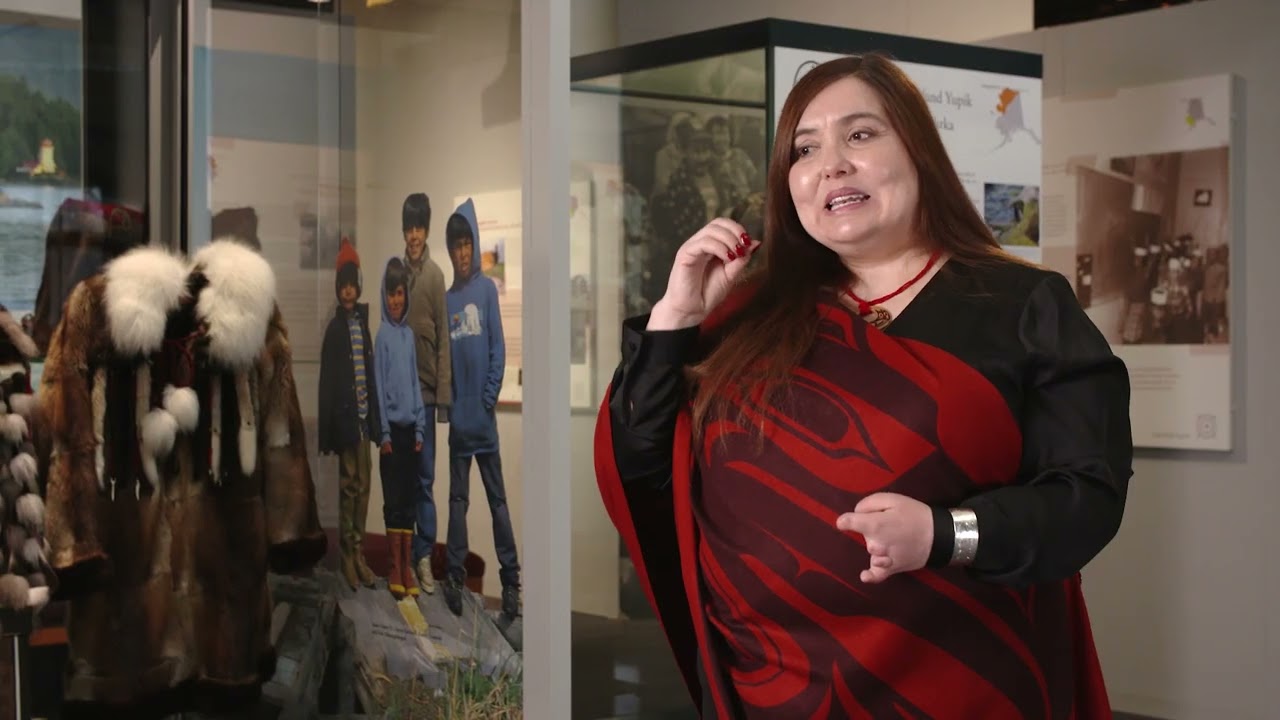
Missing or Murdered Indigenous People: Bringing Loved Ones Home

Grassroots efforts working to increase national awareness and understanding of the Missing or Murdered Indigenous Persons crisis are highlighted in this video. Also referred to as Missing and Murdered Indigenous Women (MMIW), Missing and Murdered Indigenous Women and Girls (MMIWG), Missing and Murdered Indigenous Relatives (MMIR), or other names specific to a Tribal community (such as Missing and Murdered Diné Relatives, MMDR, in the Navajo Nation); each acronym represents the generations of American Indians and Alaska Natives that have mourned missing or murdered loved ones. Working together can help bring healing and justice.

Click here to view

floral_design
floral_design 3
tribal-communities.png

Resources

tribal-communities.png

Regional Resources

Waking Women Healing Institute provides MMIW/P families healing and justice supports that are culturally founded, connected to land, and comprehensive. Their team recognizes the maze of jurisdictions and systems that families of MMIW/P have to navigate which often leads to re-traumatization, frustration, and delays in response.  They work to eliminate and reduce this harm through coordinating responses, advocating with and for MMIW/P families, and providing clear informed communication. In addition to systems navigation and advocacy they offer healing and stabilization supports for families of MMIW/P that are ongoing.

Miigwech Inc. works to raise awareness, advocate for families and stop the genocide.

The Minnesota Indian Women’s Sexual Assault Coalition (MIWSAC) is spearheading the Missing and Murdered Indigenous Persons Healing and Response Teams Special Initiative under the OVW FY24 program in partnership with the National Indigenous Women’s Resource Center (NIWRC) and Alaska Native Women’s Resource Center (AKNWRC). This initiative, inspired by the Not Invisible Act Commission’s recommendations, aims to address the critical issue of violence against American Indian and Alaska Native (AI/AN) women and communities.

tribal-communities.png

Resources

tribal-communities.png

National Resources

MMIW USA’s number one mission is to bring our missing home and help the families of the murdered cope and support them through the process of grief.

Sovereign Bodies Institute provides Direct Services to Indigenous Survivors and MMIP families and can include help organizing or paying for vigils and memorials, referrals for therapists and healthcare, referrals for emergency or transitional housing, emergency financial assistance (especially housing, food, and other basic needs), custom design work for awareness designs, emotional support, legal and media advocacy, assistance in pushing cases forward, assistance in locating healing opportunities or resources.

Bureau of Indian Affairs provides a Missing and Murdered Unit within the Office of Justice Services focuses on analyzing and solving missing and murdered cases involving American Indians and Alaska Natives.

The Department of Justice is committed to addressing the persistent violence endured by Native American families and communities across the country, including by working with Tribal nations to address the important issues of missing or murdered indigenous persons. The Department views this work as a priority for its law enforcement components.

Office for Victims of Crime Human Trafficking Capacity Building Center includes broader level resources, including funding opportunities for Tribes to respond to MMIR, additional resources and and Q and A section to increase awareness.

National Indigenous Women Resource Center created a MMIW Toolkit for Understanding and Responding to Missing and Murdered Indigenous Women for Families and Communities.  It is designed to assist families, communities and advocacy organizations in understanding and responding to a case of a missing or murdered Native woman.

cf129b2e 5502 4d92 b3f9 83a97bbbb251
floral_design 3